Housing Health & Safety System (HHSRS)
Framework that ensures a safe, healthy environment for properties
Housing Health and Safety Rating System (HHSRS) Assessments
HHSRS (Housing Health and Safety Rating System) is used to assess housing conditions and identify hazards that could affect the health, safety or wellbeing of occupants. Rather than giving a property a simple pass or fail, it considers the likelihood of harm occurring and how serious that harm could be, for full government guidance please look here: Link
The HHSRS assessment can be added alongside a Damp & Mould or pre-purchase property survey to fully cover the property from hazards in the future
What is HHSRS?
HHSRS stands for the Housing Health and Safety Rating System. It is used to assess potential hazards within residential properties that could affect the health or safety of the people living there.
Unlike a simple pass or fail inspection, HHSRS considers the likelihood of harm occurring and the potential severity of that harm. This helps identify which issues present the greatest risk and where action may be needed.
The system is widely used by local authorities when assessing housing conditions, particularly where there are concerns about issues such as damp and mould, excess cold, fire safety, falls, electrical hazards or structural defects.
What does an HHSRS assessment look at?
The HHSRS considers 21 potential housing hazards, covering risks ranging from damp and mould and excess cold through to fire, electrical safety, falls and structural defects. During an assessment, deficiencies within the property are identified and considered against the hazards they may contribute to.
Protection Against Accidents
Issues within the property that could result in accidents or physical injury.
Falls on the Level
Falling on Stairs etc.
Falling Between Levels
Fire and Explosions
Flames, Hot Surfaces etc.
Collisions, Entrapment and Ergonomics
Structural Collapse and Falling Elements
Electrical Hazards
Physiological Requirements
Housing conditions that can directly affect the physical health of occupants.
Excess Cold
Radiation
Damp and Mould Growth
Lead
Indoor Air Pollutants
Excess Heat
Asbestos and Manufactured Mineral Fibres
Protection Against Infection
Conditions that could increase the risk of infection or illness within the home.
Domestic Hygiene
Water Supply
Psychological Requirements
Housing conditions that may affect occupants’ wellbeing, security and ability to use their home appropriately.
Crowding & Space
Entry by Intruders
Noise
Lighting
HHSRS was updated in 2026. The previous system contained 29 individual hazards. The revised HHSRS combines a number of related hazards and now assesses 21 hazard categories, alongside updated guidance and baseline indicators.
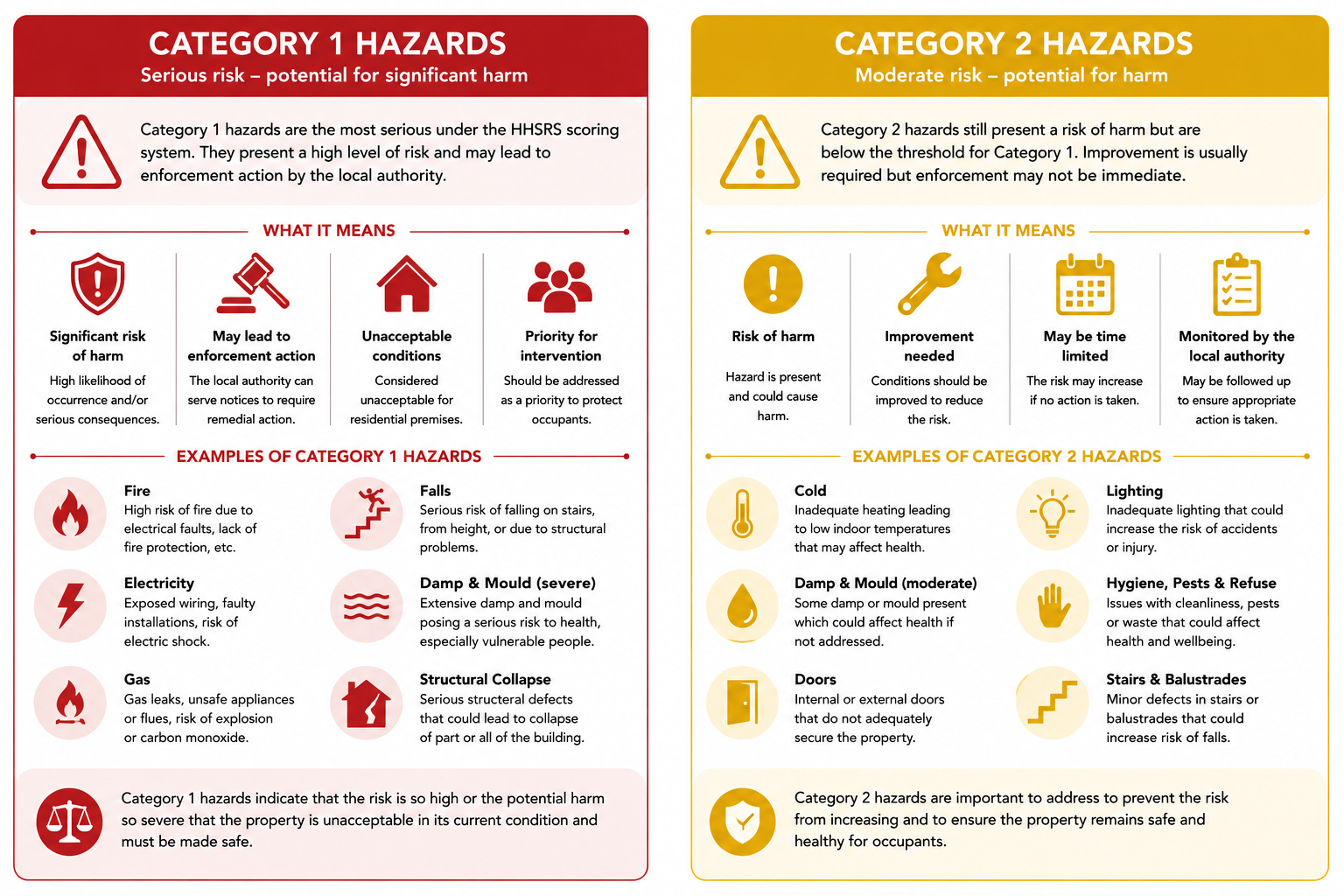
Category 1 and Category 2 Hazards
HHSRS assessments determine the level of risk presented by each identified hazard. The resulting assessment classifies hazards as either Category 1 or Category 2, depending on the level of risk.
How is the level of risk determined?
An HHSRS assessment considers both the likelihood of a harmful incident occurring and the potential seriousness of the resulting harm. The assessment therefore looks beyond whether a defect is simply present and considers the level of risk that it creates within the property.
When might you need an HHSRS assessment?
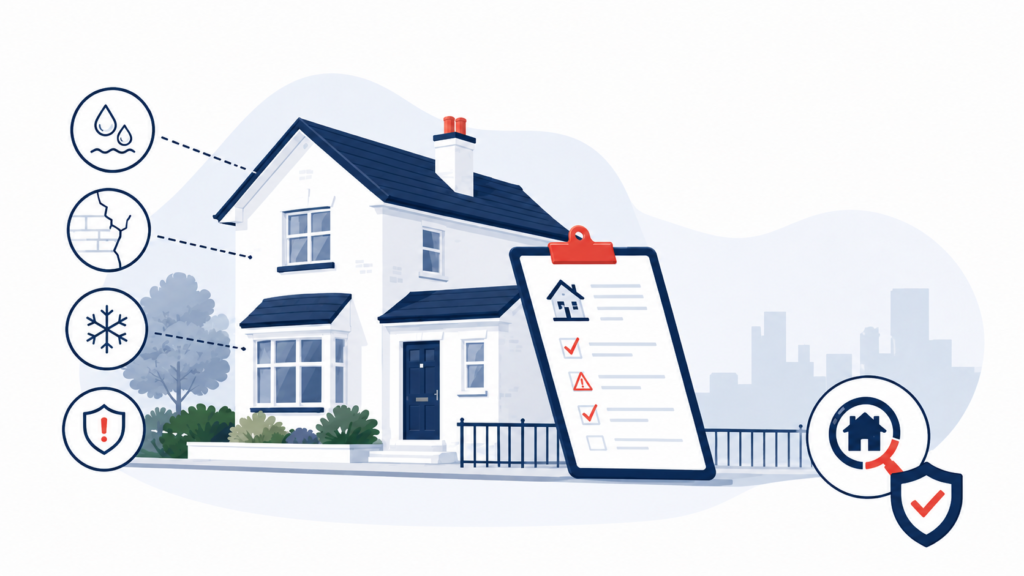
Identify potential housing hazards before they develop into tenant complaints, disrepair claims or enforcement issues. An assessment can highlight areas requiring repair or improvement and help landlords prioritise work to keep their properties safe.
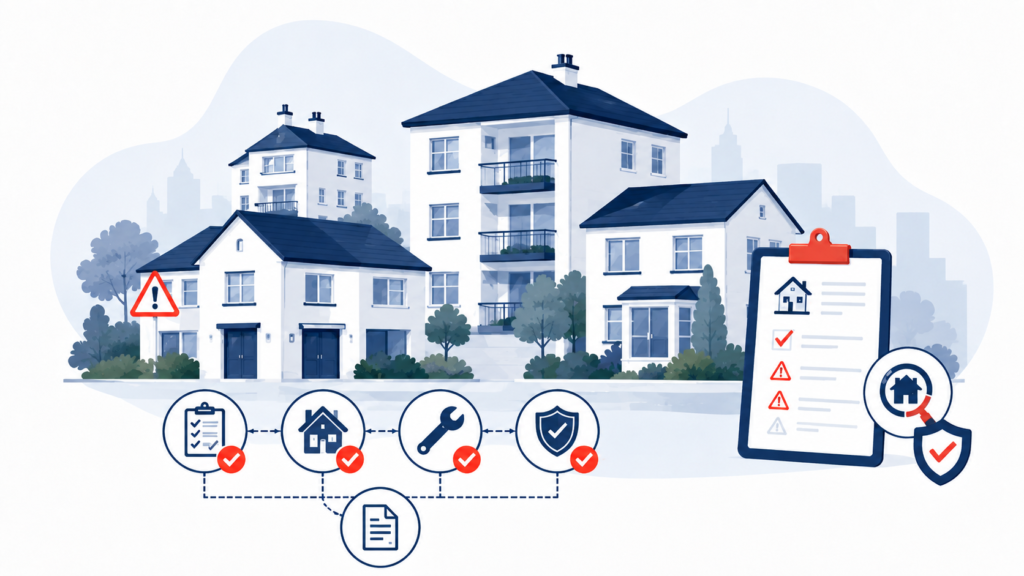
Support proactive management of housing conditions across individual properties or larger housing portfolios. HHSRS assessments can help identify Category 1 and Category 2 hazards, prioritise remedial works, support compliance programmes and provide consistent evidence for property records.
Identify health and safety concerns within managed properties and provide clear recommendations to landlords. Assessments can support routine inspections, maintenance planning and decisions about when specialist or urgent remedial work is required.
Provide an independent assessment of housing hazards where property condition is disputed or forms part of a disrepair claim. Findings can document the condition of the property, identify relevant hazards and provide evidence to support further investigation, remedial works or legal proceedings.
Gain a clearer understanding of potential health and safety hazards within a property, particularly where there are concerns about damp, mould, excess cold, falls, fire safety or structural defects. An assessment can help identify issues that may require further investigation or expenditure before or after purchasing a property.
What is included in a DampRo UK HHSRS report?
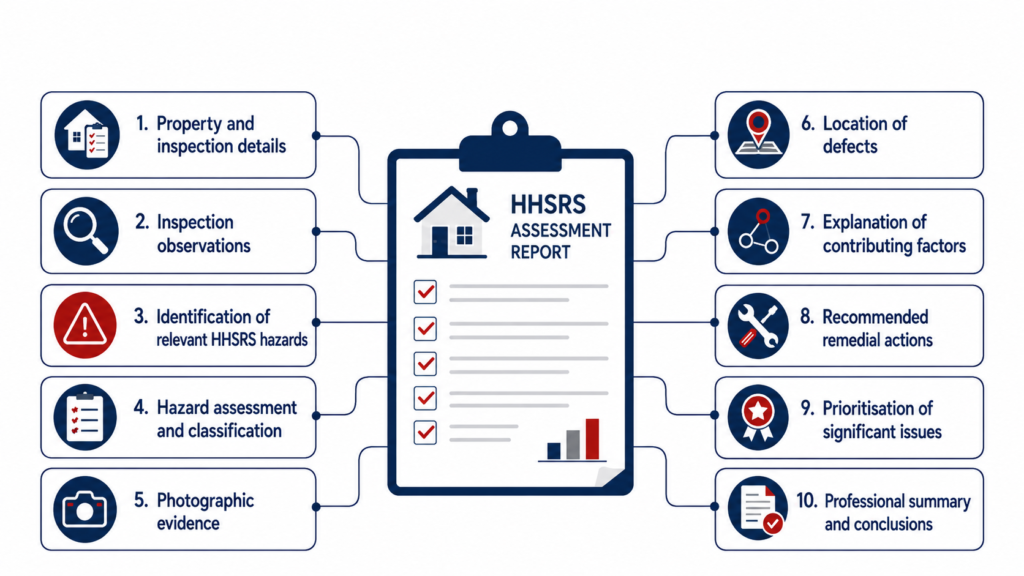
- Property and inspection details
- Inspection observations
- Identification of relevant HHSRS hazards
- Hazard assessment and classification
- Photographic evidence
- Location of defects
- Explanation of contributing factors
- Recommended remedial actions
- Prioritisation of significant issues
- Professional summary and conclusions
Need an HHSRS assessment?
From £395
Whether you are investigating an individual property concern or require assessments across a larger housing portfolio, DampRo UK can provide independent inspection, reporting and practical recommendations.
Pricing is based on a standard residential property. Larger properties, multiple dwellings, complex cases and portfolio programmes may require a quotation.