Survey Reports
Outline what reports you should expect from us.
What Your Survey Report Includes
Every survey includes a clear, evidence-based report explaining what was found, the likely causes of any defects and the actions recommended to address them. The exact content will reflect the type and scope of the survey commissioned.
Professional Survey report
A structured written report setting out the inspection findings in clear and accessible language. The report will identify the areas inspected, any limitations encountered and the conclusions reached by the surveyor.
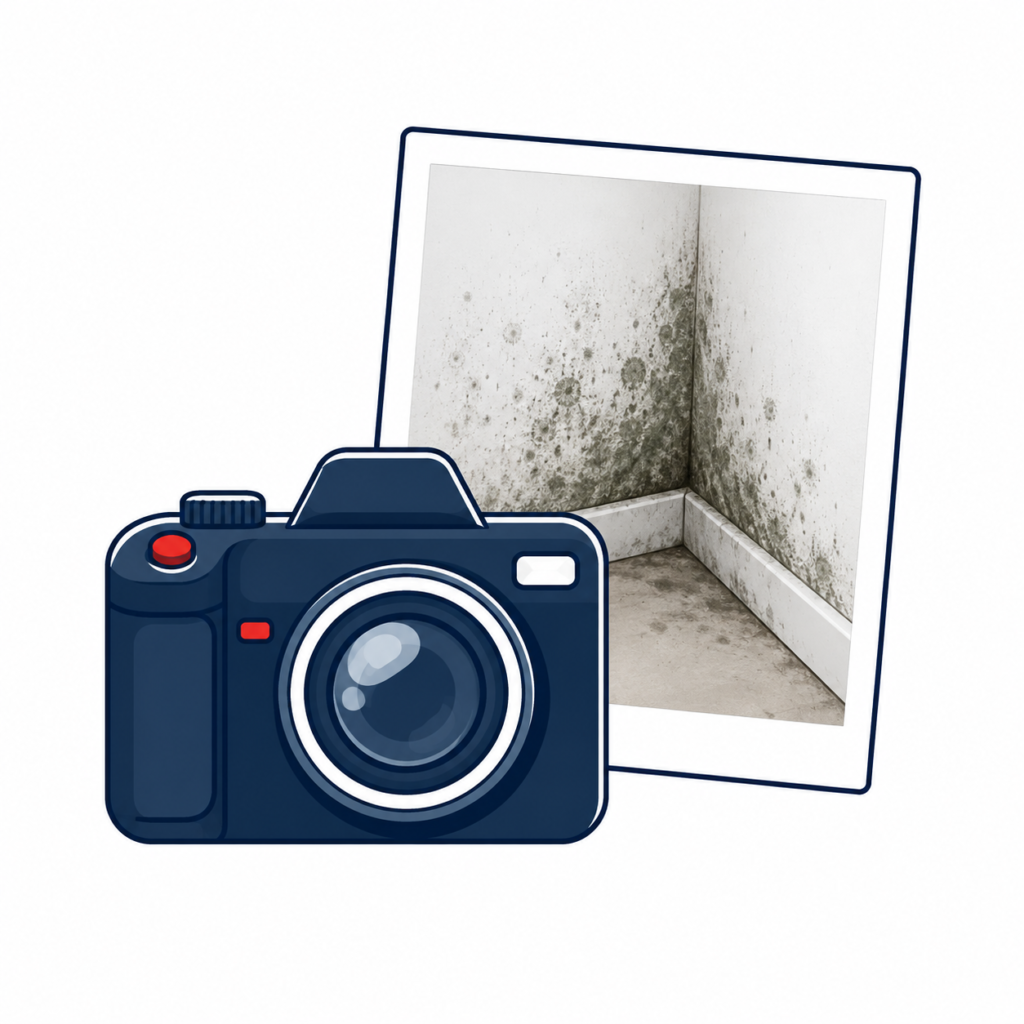
Photographic Evidence
Relevant photographs are included to record visible defects and support the survey findings. Images may be annotated to identify important areas, defects or recommended works.
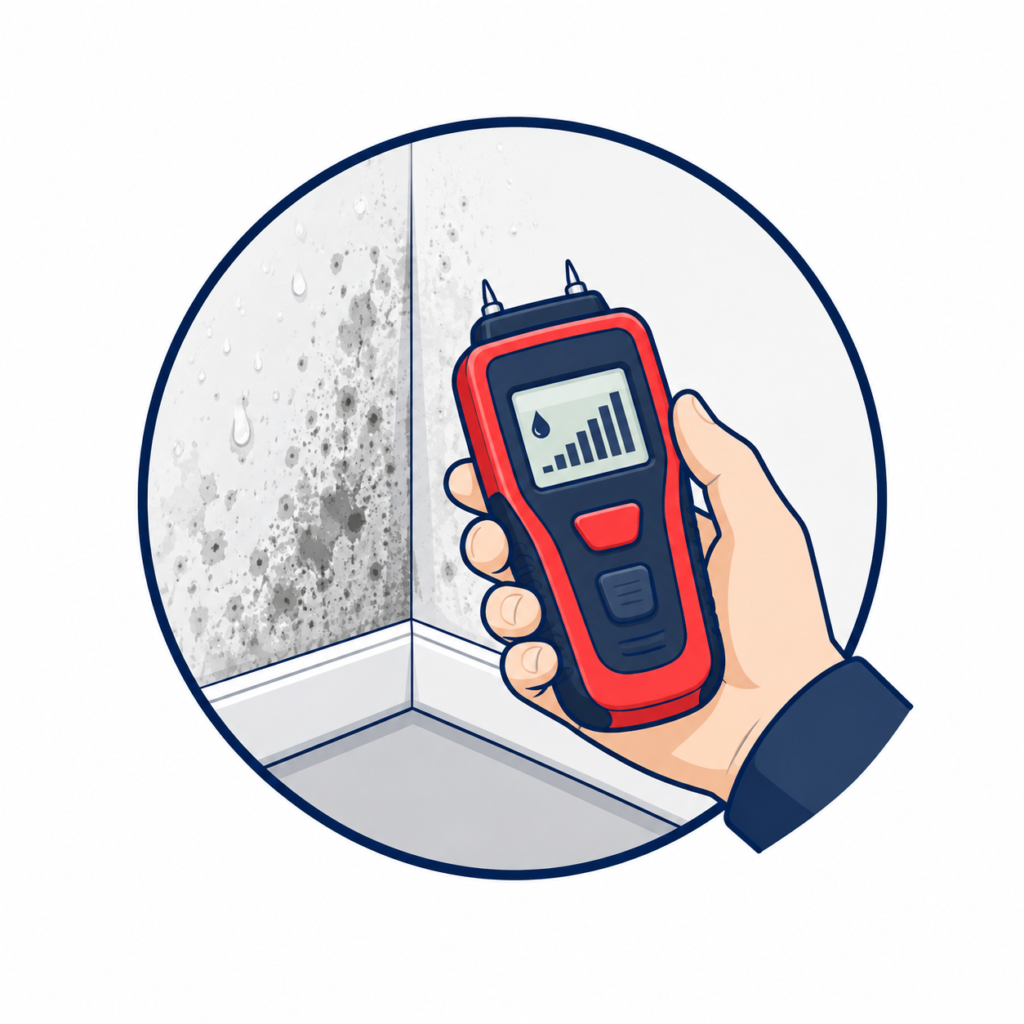
Moisture Measurements
Moisture readings are taken from appropriate and accessible areas to help assess moisture patterns and support the investigation. Readings are interpreted alongside visual evidence, building construction and environmental conditions.
Defect Diagnosis
The report explains the likely causes of the identified defects. This may include condensation, water ingress, plumbing leaks, penetrating damp, rising damp, defective ventilation or timber decay.

Recommended Remedial Works
Practical recommendations are provided to address the underlying cause of the problem rather than simply treating its visible effects. Where appropriate, the report may also suggest further specialist investigation.
Priority Rating
Identified defects can be prioritised according to their urgency, severity and potential effect on the property or its occupants. This helps clients plan immediate actions, routine repairs and longer-term improvements.
Thermal Imaging (if applicable)
Where thermal imaging forms part of the survey, relevant thermal images may be included to illustrate temperature differences, possible cold bridging, insulation issues or patterns that may support the moisture investigation.

HHSRS Risk Assessment (if applicable)
Where applicable, identified hazards can be considered against the Housing Health and Safety Rating System. This helps housing providers understand potential risks to occupants and prioritise appropriate action.
Awaab’s Law Compliance Assessment (if applicable)
Where applicable, the report can support the investigation and documentation of damp, mould and other relevant hazards under Awaab’s Law. Findings, recommended actions and priority levels can help housing providers respond within the required timescales.